Skotino Cave & Village: The Honest Guide to the Gorge of the Dark
One of Crete's largest sacred caves — four levels of Minoan-to-modern worship, free and raw, fifteen minutes from Gouves.
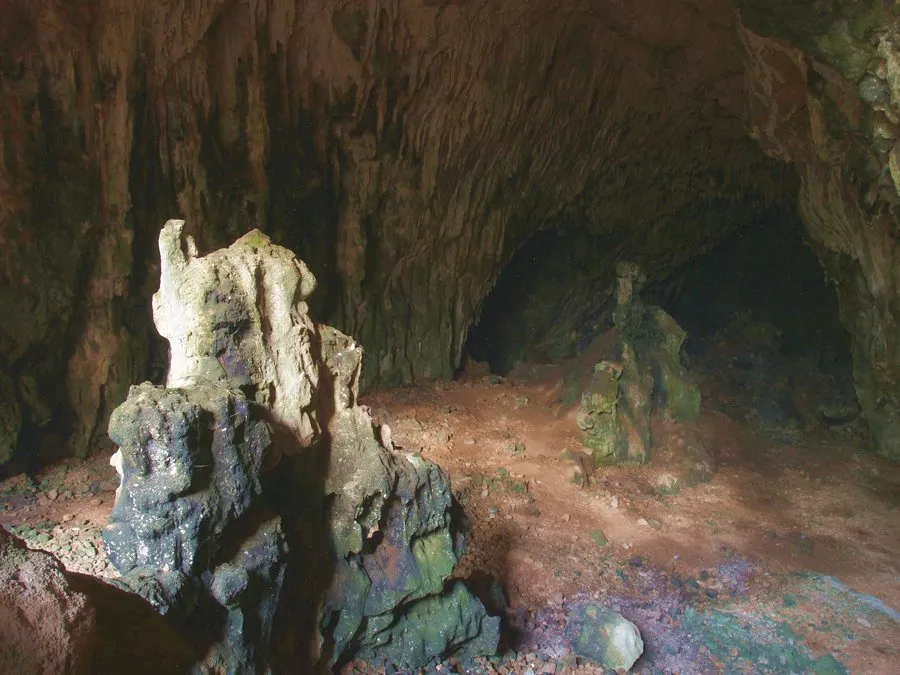
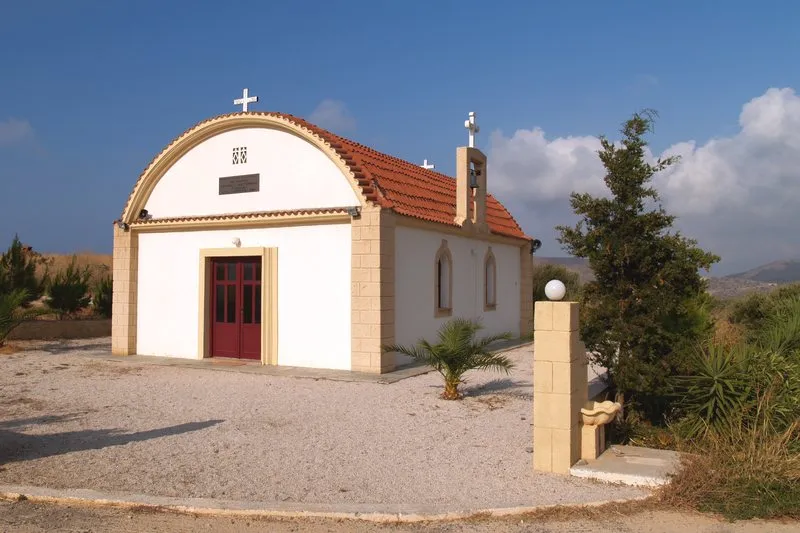
Fifteen minutes above the Gouves coast, past a farm village that tourism never learned, the ground opens into Skotino — one of the island’s largest caves and among its oldest continuously sacred places: Minoan cult finds through classical worship to the chapel of Agia Paraskevi standing at the mouth today. It is raw, free, unstaffed and genuinely atmospheric — the anti-show-cave, requiring only respect and a torch.
The honest facts
- Getting there
- signed through Skotino/Gouves villages to a rough parking area by the chapel; ~15 minutes from the Hersonissos–Gouves strip — the nearest real adventure to the resorts.
- The cave
- a vast first chamber descends in natural terraces toward darkness — four levels for the equipped, with the grand upper hall satisfying most; footing is uneven, damp and unlit: real shoes, a proper torch each (phones as backup), and no solo heroics past the light zone.
- The sacred layer
- cult activity here spans millennia — treat it as the shrine it remains: nothing removed, nothing marked, voices civil; the feast of Agia Paraskevi (26 July) fills the mouth with village celebration if your dates align.
- The village
- Skotino itself offers a kafeneio pause among growers — greet first, enjoy the zero-performance texture.
- Cost
- free, unguarded, and kept decent by exactly that covenant.
The honest visit
Morning light angles deepest into the entrance hall — arrive early, let eyes adjust at the chapel, descend the upper terraces torch-lit as far as confidence honestly reaches, and give the silence its minutes. Paired with a Gouves beach afternoon it makes the strip’s best effort-to-wonder ratio.
The honest downside
Unmanaged means unmanaged: slick clay after damp spells, no railings, no staff, and the deeper levels are genuinely disorienting — families keep to the lit-adjacent upper hall, and claustrophobes keep to the chapel terrace with honour intact.
Worth your time if: a real cave with three thousand years of worship beats a queue for a lit one. Skip the depths without lights and company — the first hall alone repays the drive.
Photos on this page: both by Stegop (CC BY-SA 3.0), via Wikimedia Commons, resized for the web. Everything above was checked for the date shown at the top of this guide. Nobody pays to be featured in a guide — no business, no sponsor, no paid mention, ever. Adverts, where they appear, are labelled as adverts.
Is Skotino cave free to visit?
Yes - free, unguarded, and kept decent by exactly that covenant. Nothing removed, nothing marked, voices civil. Cult activity here spans millennia and it remains a shrine.
What do you need to visit Skotino cave?
Real shoes and a proper torch each, with phones as backup. The footing is uneven, damp and completely unlit, and the chamber descends in natural terraces toward darkness.
How far into Skotino cave can you go?
Four levels for the properly equipped, though the grand upper hall satisfies most visitors. It is one of the largest caves on the island.
How far is Skotino from Hersonissos?
About fifteen minutes from the Hersonissos and Gouves strip, signed through Skotino village to a rough parking area by the chapel. It is the nearest real adventure to the resorts.
When is the festival at Skotino?
The feast of Agia Paraskevi on 26 July fills the cave mouth with village celebration. If your dates align it is worth building the day around.
One email a month — only when something on this island actually changes. No spam, no partners, one-click unsubscribe. Read past issues before you decide.