Vori: The Honest Guide to the Museum Village of the Messara
A dignified farming village with the best folk museum in Crete — the Ethnology Museum — plus lanes.
Vori sits just off the Phaistos road and gets skipped by nearly everyone racing between palace and beach — which suits it, and shortchanges them. This is a handsome, working Messara village whose lanes reward twenty unhurried minutes, and it hosts the Museum of Cretan Ethnology: quietly, the best museum of everyday Cretan life on the island, the one that explains everything you have been eating, drinking and walking past all week.
The honest facts
- Position
- 5 minutes from Phaistos, 15 from Matala, on flat easy roads — the definitive add-on to any southern archaeology day.
- The museum
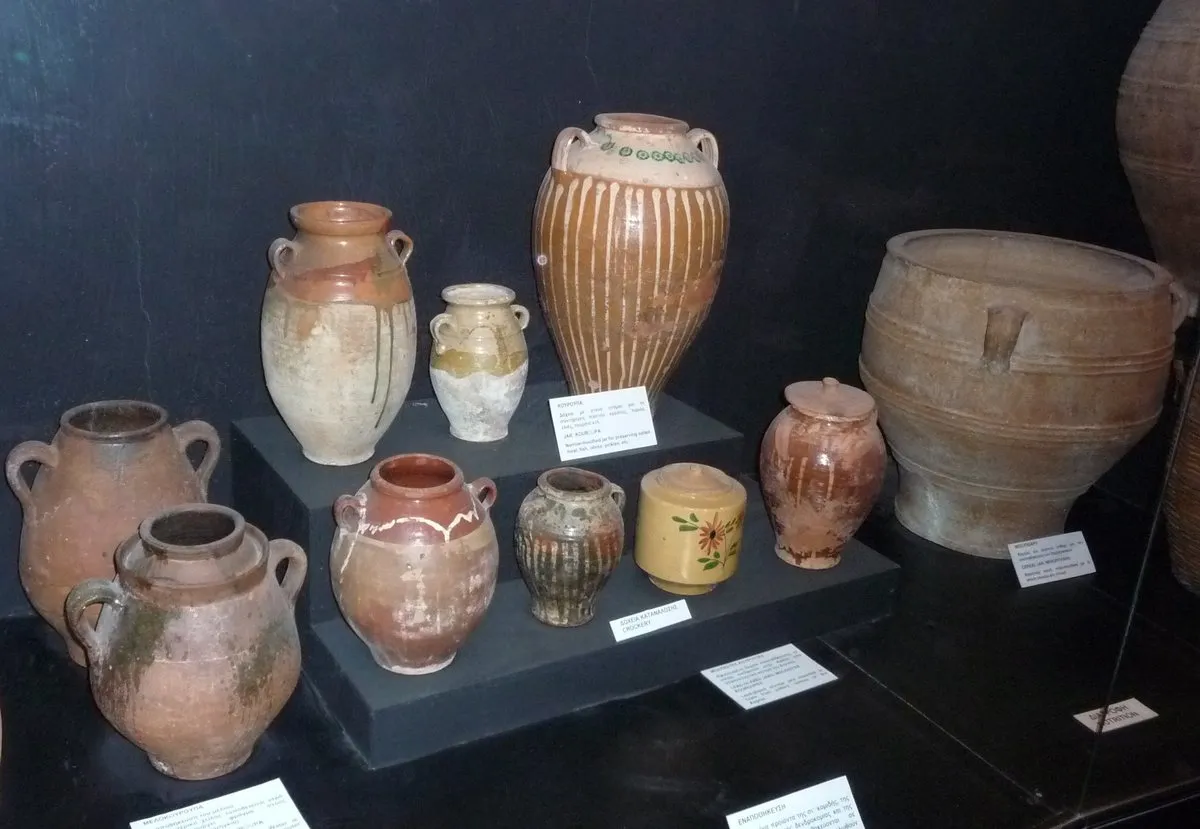
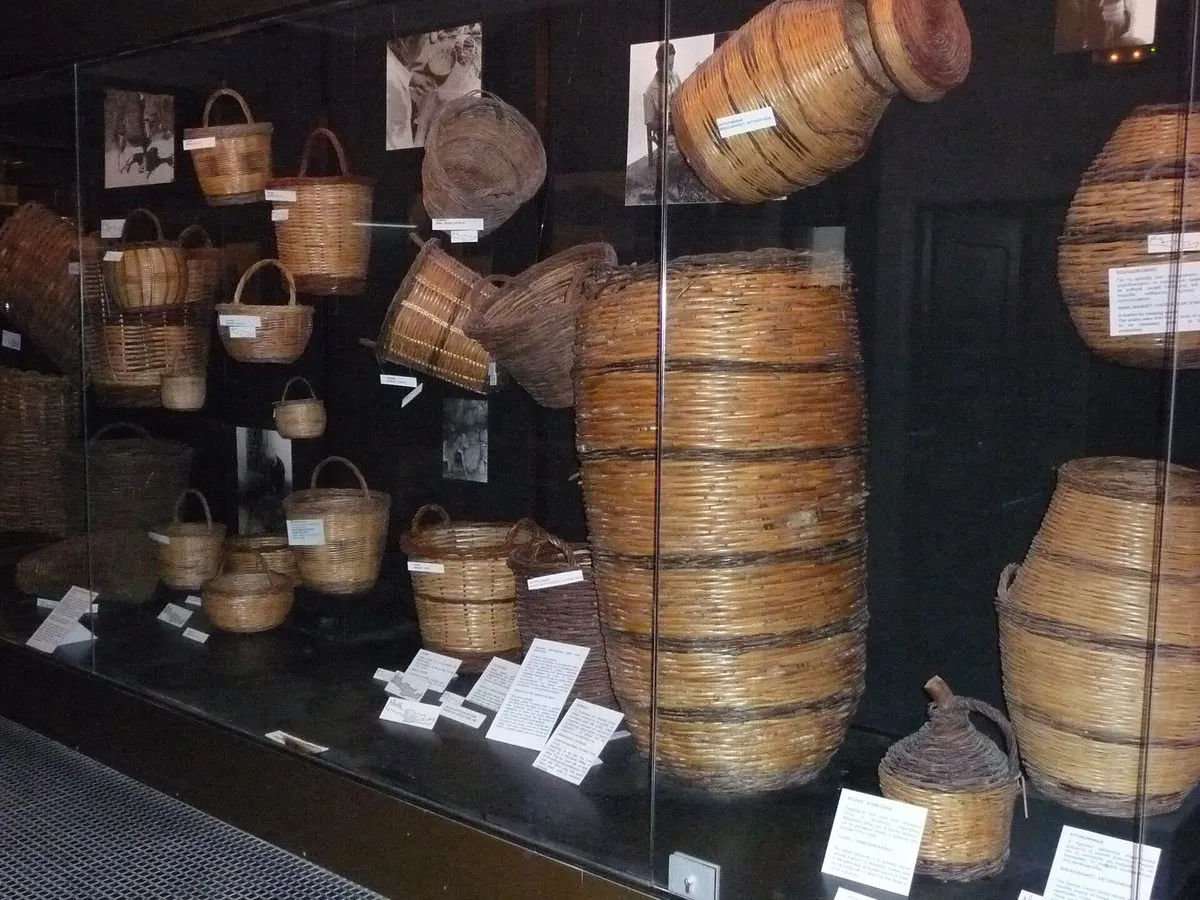
- purpose-built and seriously curated — tools, looms, beekeeping, bread, boat-building, the whole material culture of pre-modern Crete presented with unexpected elegance. Modest entrance (a few euros); allow 45–75 minutes; check seasonal hours before a special trip.
- The village
- stone courtyards, arched doorways, a shaded plateia with kafeneia and a taverna or two cooking Messara-farm food at Messara-farm prices.
- Timing
- late morning museum, plateia lunch, then Phaistos as the light angles — or the reverse. Sundays add village life; August middays subtract it.
Why the museum matters
Ruins show you where Minoans lived; Vori shows you how Cretans lived until roughly yesterday — and the continuity is the revelation. After it, every taverna raki, every rusk, every olive-wood spoon reads as chapter, not souvenir. Travellers who “don’t do museums” repeatedly report this as the exception.
The honest add-ons
The agricultural lanes around the village make a pleasant loop walk in the cooler hours; Agia Triada’s Minoan villa is ten minutes away and criminally underloved; and the Timbaki farmers’ market (weekly, mornings) is nearby real life if your day aligns.
The honest downside
Vori is a half-day of texture, not a headline destination: no beach, no drama, one museum however good. Visitors sprinting the Phaistos–Matala corridor on a schedule will feel the detour; visitors with an hour to trade will bank it.
Worth your time if: understanding the island ranks with photographing it. Skip it if: the day’s minutes are already spoken for — but then return the favour another day.
Photos on this page: both by JopkeB (CC BY-SA 4.0), via Wikimedia Commons, resized for the web. Everything above was checked for the date shown at the top of this guide. Nobody pays to be featured in a guide — no business, no sponsor, no paid mention, ever. Adverts, where they appear, are labelled as adverts.
What is the museum at Vori?
The Museum of Cretan Ethnology - purpose-built and seriously curated, covering tools, looms, beekeeping, bread and boat-building. The whole material culture of pre-modern Crete, presented with unexpected elegance. Modest entrance, 45 to 75 minutes, seasonal hours worth checking.
Why is the Vori museum worth it after Phaistos?
Ruins show you where Minoans lived; Vori shows you how Cretans lived until roughly yesterday, and the continuity is the revelation. After it, every raki, every rusk and every olive-wood spoon reads as a chapter rather than a souvenir.
How far is Vori from Phaistos?
Five minutes, and fifteen from Matala, on flat easy roads. It is the definitive add-on to any southern archaeology day and almost everyone races past it.
What is Vori village like?
Stone courtyards, arched doorways, and a shaded plateia with kafeneia and a taverna or two cooking Messara-farm food at Messara-farm prices. Twenty unhurried minutes rewards you.
When should you visit Vori?
Late morning museum, plateia lunch, then Phaistos as the light angles - or the reverse. Sundays add village life; August middays subtract it.
One email a month — only when something on this island actually changes. No spam, no partners, one-click unsubscribe. Read past issues before you decide.