What a Week in Crete Actually Costs: The Honest Breakdown
Real ranges for food, car hire, fuel, sunbeds, tickets and coffee — plus where the money quietly leaks.
Nobody publishes real numbers, so people arrive either braced for Santorini prices or expecting 2009. Neither is right. Here is what a week actually costs in Crete, with honest ranges rather than fake precision, and a note on where money leaves your pocket without you noticing.
Everything below is per person, excludes flights and accommodation, and assumes shoulder-to-high season. Prices move; treat these as calibration and check as you go.
The one-minute version. Careful week on buses with self-catering: roughly €200–250. Normal week — dinner out most nights, a few tickets, two or three days of car hire: roughly €350–500. Comfortable week with sunbeds, boat trips and a car all week: €700–900 and up. The two biggest avoidable line items are sunbeds and unused car-hire days.
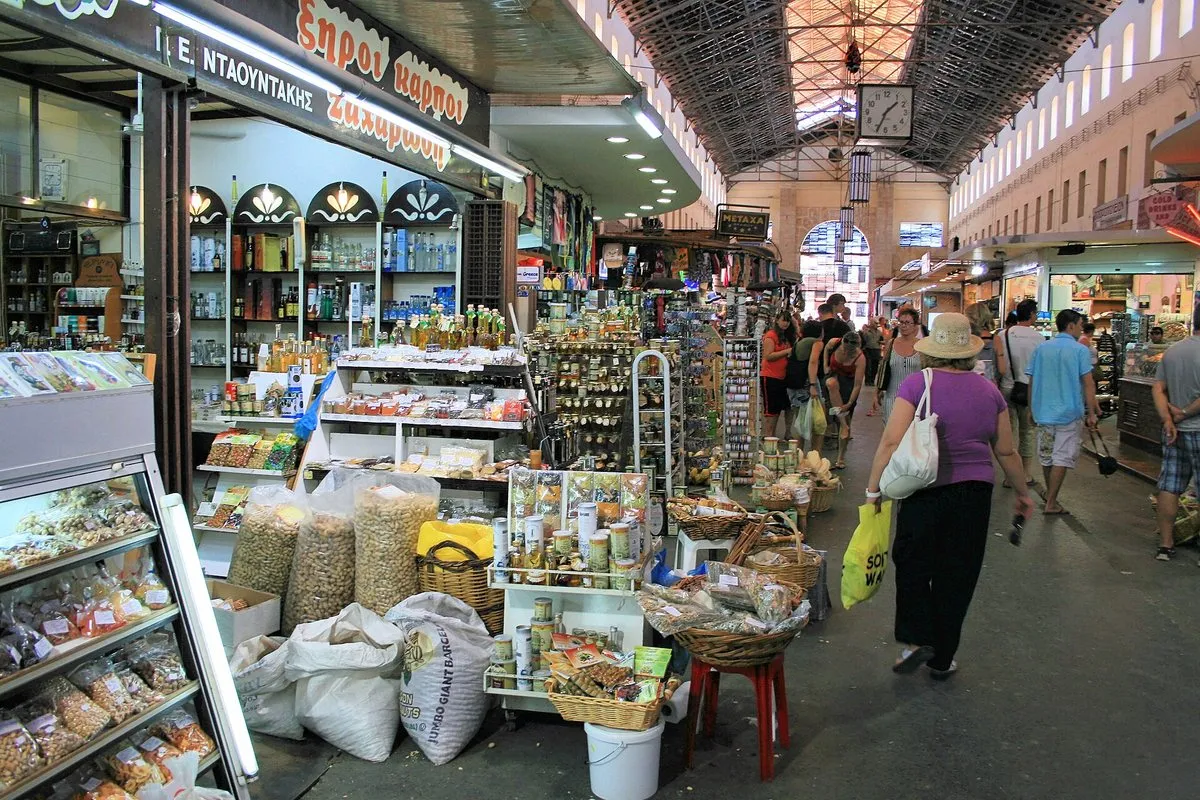
Food and drink
Taverna dinner. A main course sits broadly at €9–15; grilled fish by the kilo is the exception and can run far higher, which is a whole conversation of its own. A Greek salad €6–9. Half-litre of house wine €4–7 and usually perfectly good. Two people sharing starters and having a main each, with wine, typically lands at €35–55 for the table.
The village discount is real. The same meal twenty minutes inland is routinely 25–35% cheaper than on a harbour front, and often better. This is the single largest lever you have on a food budget.
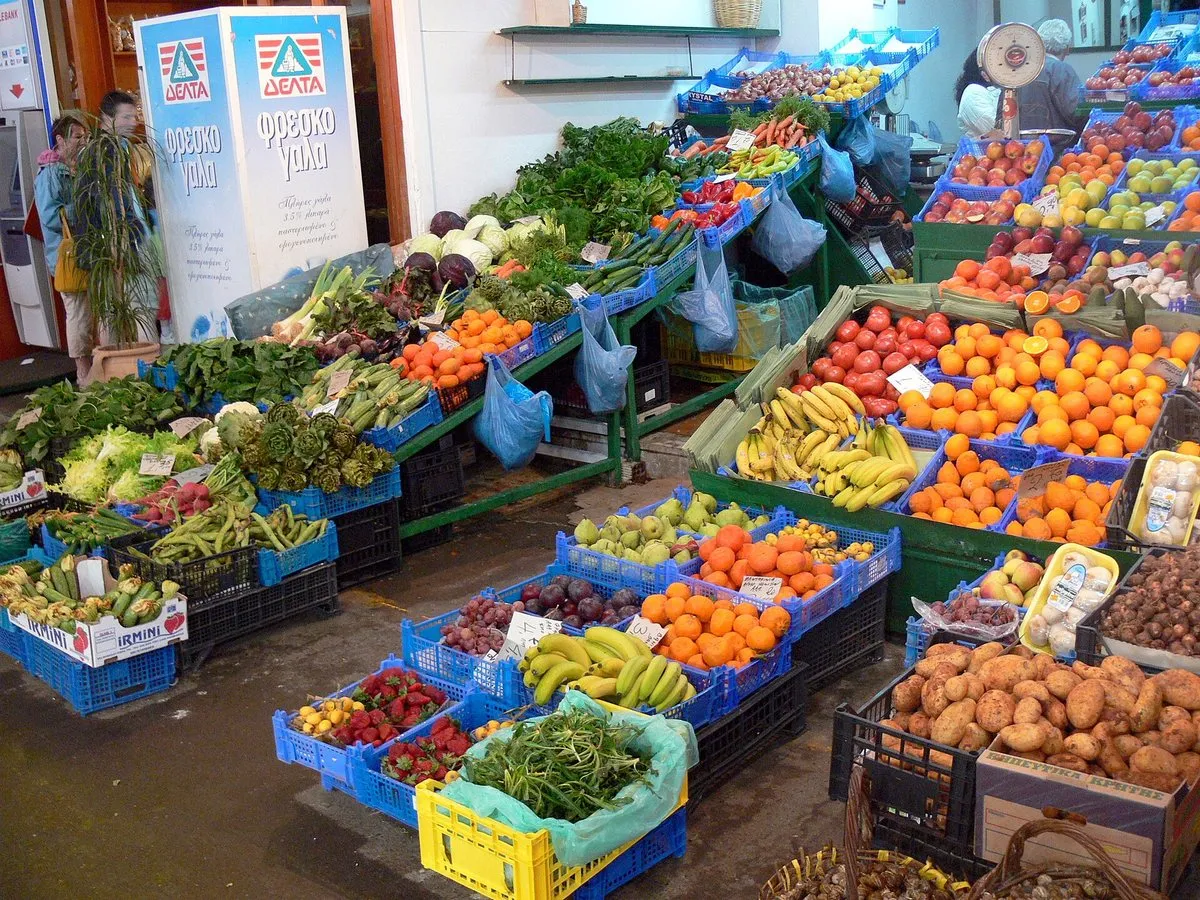
Breakfast and lunch. A bakery breakfast — cheese pie, coffee — is €4–6. A gyros or souvlaki lunch €4–7. Supermarket picnic materials for two, €10–15. Doing breakfast and lunch this way and eating out once cuts a daily food figure roughly in half.
Coffee. €2.50–4 for a freddo espresso, and a bit more on a square with a view. Cretans nurse one for an hour and nobody minds; this is not a place where you are hurried along.
Getting around
Car hire. Roughly €25–40 a day in May, June, September and October; €40–60 in July and August. Less per day for longer hires. Automatics cost meaningfully more. Full details and the traps are in the car hire guide.
Fuel. Budget €50–80 for a week of real exploring in a small car. Crete is bigger than people expect — Chania to Sitia is around 270km.
Buses. Town tickets €1.20–1.60. Heraklion–Rethymno around €8, Heraklion–Chania roughly €16–18. A week of coastal-strip travel by bus rarely exceeds €30.
Taxis. Sensible for short hops and airport runs at odd hours. Agree the fare in advance outside metered town journeys.
Attractions, and what they now cost
Site pricing was restructured upward in 2025 and a lot of published guidance is out of date. Currently, in rough terms: Knossos around €20 including the combined museum ticket, Phaistos €15, Gortyna and the palace at Malia €10 each, Cretaquarium €15 in summer, Ancient Eleftherna €10 for the museum and €10 again for the site. Water parks run around €30 for an adult, €20 for a child. Boat trips €25–45 depending on length.
Three or four paid attractions in a week is €40–60 a head. It adds up faster than people plan for.
Where the money quietly goes
Sunbeds. Two beds and an umbrella at an organised beach is typically €15–25 a day, sometimes waived if you eat at the attached taverna. Over a week that is €100–175 for furniture. Bring a mat, use the free ends of the beach, or accept the cost knowingly — but do not be surprised by it in week two.
Car days you don’t drive. The most common overspend on the island. If your week is five beach days and two exploring days, hire for two days from a local office rather than seven from the airport. That one change saves €100–200.
Airport extras. Prepaid fuel, upgraded insurance bought at the desk, and the car park hunt. Decline what you did not book online.
The harbour-front premium. Coffee and dinner on a Venetian harbour costs a third more than the same thing three streets back, and three streets back is usually where the locals are.
Three honest weekly totals
Frugal — around €200–250. Self-catering breakfast and lunch, taverna dinner three or four nights, buses only, two paid attractions, no sunbeds. Entirely doable and not remotely miserable.
Normal — around €350–500. Dinner out most nights, bakery breakfasts, three days of car hire with fuel, four attractions, sunbeds a couple of days, boat trip once.
Comfortable — €700–900+. Car all week, eating out twice a day, sunbeds daily, several excursions including something like the Santorini day trip, which alone is around €145.
Crete remains genuinely good value by Greek island standards, and the gap between a €250 week and a €700 week is almost entirely made of choices rather than compromises — inland tavernas instead of harbour fronts, car hire for the days you drive, and a considered relationship with sunbeds. Carry some cash, check current site prices rather than trusting older guides, and remember that the cheapest days here are often the best ones: a village, a beach with nothing on it, and a long lunch somewhere with no view of the sea at all.
Photos on this page: market aisle by Lapplaender (CC BY-SA 3.0 DE); produce stall by Wolfgang Sauber (CC BY-SA 3.0); market building by Joseolgon (CC BY-SA 4.0), via Wikimedia Commons, resized for the web. Nobody pays to be featured on this site.
How much does a week in Crete cost per person?
Excluding flights and accommodation, a comfortable week runs roughly €350–500 per person: taverna dinners most nights, a few paid attractions, some car hire and fuel. A careful week on the bus with self-catering breakfasts and lunches can come in near €200. A week of beach clubs, boat trips and full-time car hire will pass €800.
Is Crete expensive compared to the rest of Greece?
Slightly cheaper than the popular Cyclades for food and accommodation, and noticeably cheaper than Santorini or Mykonos for everything. Within Crete the spread is wide: a village taverna twenty minutes inland can be half the price of the same meal on a harbour front.
How much should you budget for food per day in Crete?
Roughly €25–40 per person per day if you eat out once and keep breakfast simple. A taverna main is broadly €9–15, a Greek salad around €6–9, half a litre of house wine €4–7, and a coffee €2.50–4. Supermarket breakfasts and picnic lunches cut the daily figure sharply.
Do you need cash in Crete?
Cards are accepted almost everywhere on the coast, but you want cash for village kafeneia, rural bus stops, small archaeological sites, church donation boxes and beach car park attendants. Carry €50–100 and top it up rather than relying entirely on cards.
What is the biggest hidden cost in Crete?
Sunbeds and the assumption that a car is needed for the whole stay. Two sunbeds and an umbrella at €15–25 a day for a week is a meal out every day you did not budget for, and a full-week car hire when you only drive on three of them is the other one.
One email a month — only when something on this island actually changes. No spam, no partners, one-click unsubscribe. Read past issues before you decide.