Axos: The Honest Guide to the Village on the Anogia Road
Waterfalls of bougainvillea, ancient acropolis stones, woodcarvers and grill smoke on Mylopotamos' prettiest through-road.
Axos drapes itself over a knoll on the Anogia road like a rehearsal for the mountains: bougainvillea cascading over stone, a ruined ancient acropolis crowning the hill (ancient Axos minted its own coins), woodcarving workshops keeping a local tradition visible, and grill houses whose smoke has stopped four decades of passing drivers. It is the Mylopotamos valley’s natural pause — fifteen minutes below Anogia, twenty above the Bali coast.
The honest facts
- The village
- two descending lanes of stone houses and flowers, springs feeding troughs, kafeneia at the hinge; the postcard-per-metre rate runs high.
- The acropolis
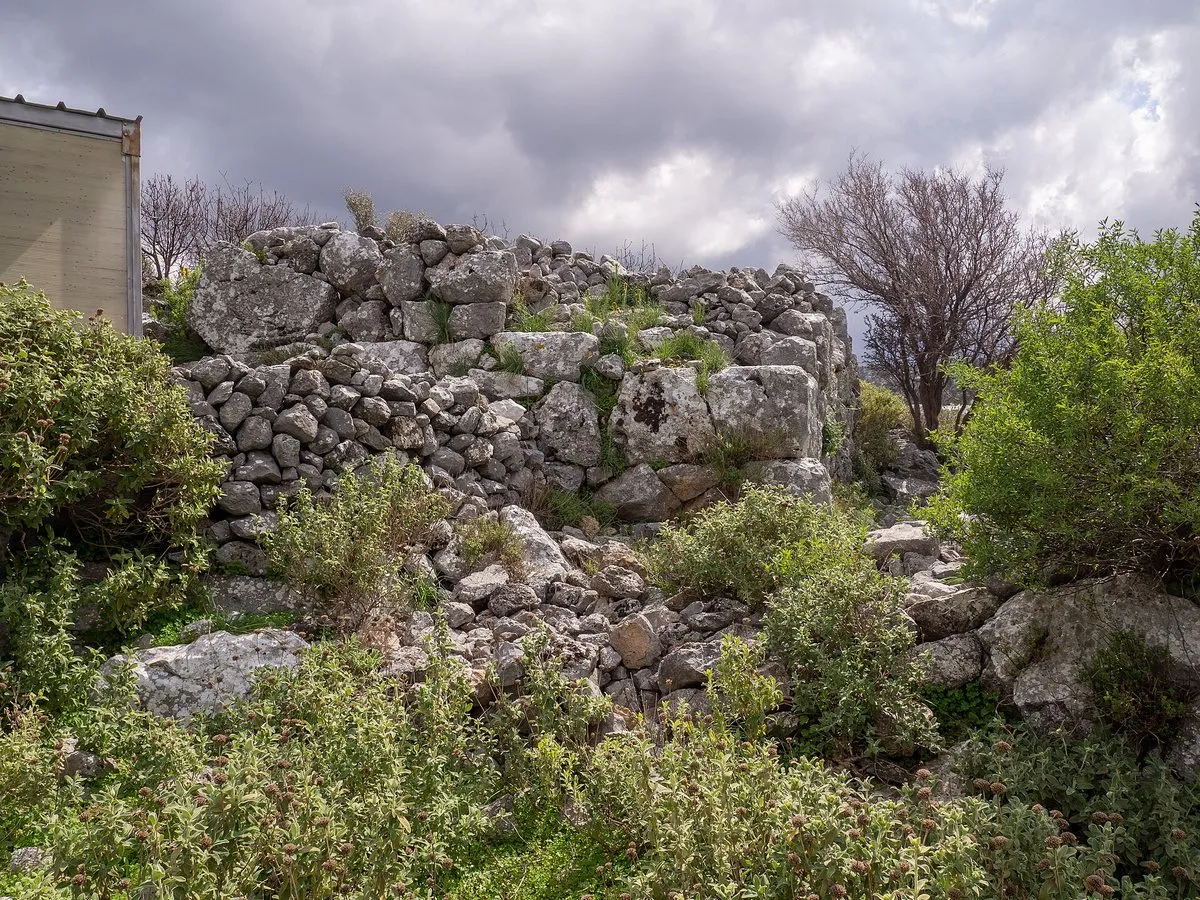
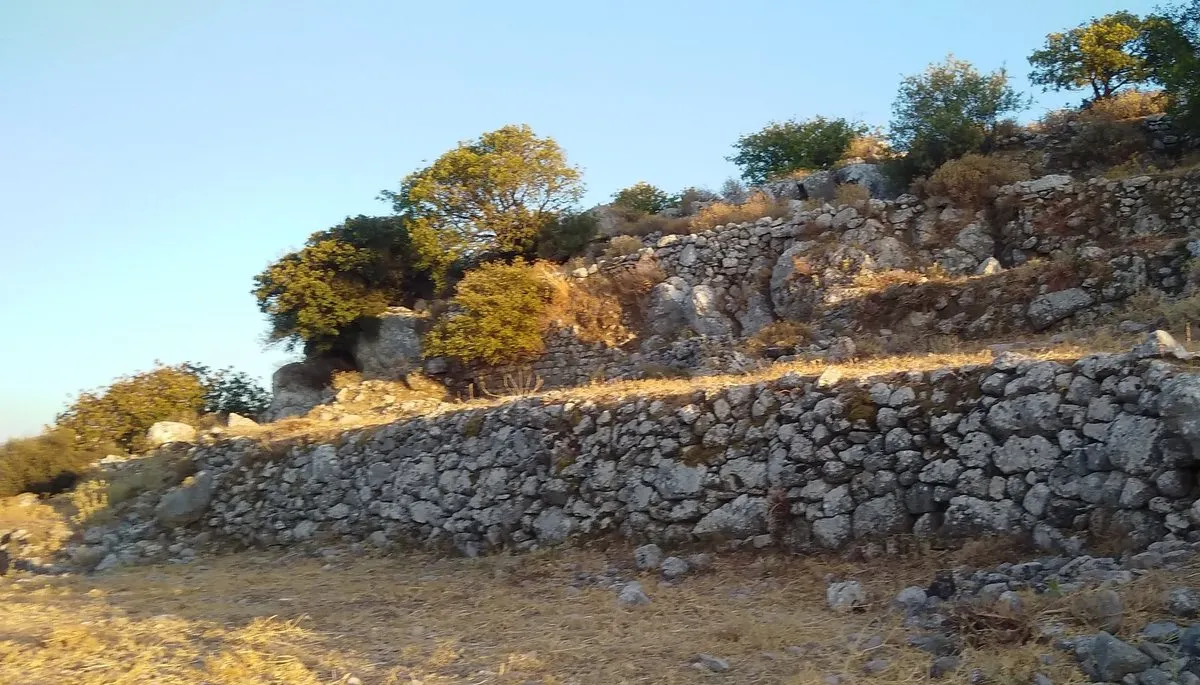
- a 15–20 minute path climbs from the upper village to scattered walls, a chapel and the valley panorama — free, unfenced, best in low light; decent shoes for the loose top section.
- The woodcarving
- family workshops carve everything from spoons to lyra bodies — watching costs nothing, buying starts small; provenance here is the genuine article.
- Eating
- the grill-house cluster serves the Anogia-road classics — lamb chops, kontosouvli, local sausage — at €25–40 for two; tour-lunch groups pulse through at midday, locals reclaim the evenings.
- Position
- pairs naturally with Anogia above, Melidoni cave below, or the Sfendoni show-cave at Zoniana ten minutes east.
The honest stop
Give it the hour it asks: park at the entrance, walk both lanes down and up, climb to the acropolis if legs vote yes, watch a carver work, and take the grill lunch or the spring-side coffee depending on the day’s arc. As the appetiser to Anogia’s heavier gravity, it sets the register perfectly.
The honest downside
Axos knows it is pretty — coach-lunch infrastructure exists, and midday high season can feel staged until the groups roll on; the acropolis is atmosphere-and-view rather than legible ruins.
Worth your time if: the Anogia road is on your map — this is its ornament. Skip it if: village stops need to be discoveries — Axos was discovered warmly, long ago.
Photos on this page: the walls by C messier and the terraces by Pampuco (both CC BY-SA 4.0), via Wikimedia Commons, resized for the web. Everything above was checked for the date shown at the top of this guide. Nobody pays to be featured in a guide — no business, no sponsor, no paid mention, ever. Adverts, where they appear, are labelled as adverts.
Is Axos worth stopping at?
Give it the hour it asks. Two descending lanes of stone houses and bougainvillea, springs feeding troughs, kafeneia at the hinge, and a postcard-per-metre rate that runs high. As the appetiser to Anogias heavier gravity up the road, it sets the register perfectly.
Can you climb to the acropolis at Axos?
Yes - a 15 to 20 minute path from the upper village leads to scattered walls, a chapel and the valley panorama. It is free and unfenced, best in low light, and the loose top section wants decent shoes. Ancient Axos minted its own coins.
What is the woodcarving in Axos?
Family workshops carve everything from spoons to lyra bodies. Watching costs nothing and buying starts small - the provenance here is the genuine article rather than imported filler.
What does lunch cost in Axos?
The grill-house cluster does the Anogia-road classics - lamb chops, kontosouvli, local sausage - at EUR25-40 for two. Tour-lunch groups pulse through at midday and locals reclaim the evenings.
What can you combine with Axos?
Anogia above, the Melidoni cave below, or the Sfendoni show-cave at Zoniana ten minutes east. It sits on the natural inland loop rather than being a destination on its own.
One email a month — only when something on this island actually changes. No spam, no partners, one-click unsubscribe. Read past issues before you decide.