Margarites: The Honest Guide to the Pottery Village
Working ceramic workshops on flower-drowned lanes above the Mylopotamos valley — where to watch wheels turn, what is genuinely local.
Margarites has thrown pots since Venetian days and never stopped: a couple of dozen working ceramic studios line its two descending lanes, wheels visible from the street, kilns out back, and the results — from museum-serious stoneware to cheerful souvenir ware — filling every windowsill. Add flower-drowned courtyards and valley views toward Psiloritis, and you have inland Rethymno’s prettiest two-hour stop.
The honest facts
- Getting there
- ~25 minutes from Rethymno, 10 from the Arkadi road — the natural pairing; parking at the village entrance, then feet.
- The workshops
- genuinely working, genuinely varied — watch for the wheel actually spinning and the “made here” honesty most studios volunteer; several potters explain techniques (the giant pithoi tradition included) with pride, no purchase pressured.
- What to buy
- local signatures include pithoi-style vessels, wood-fired and slip-decorated ware; prices span €10 souvenir to €300 collector — shipping is routinely arranged by the serious studios.
- The lanes
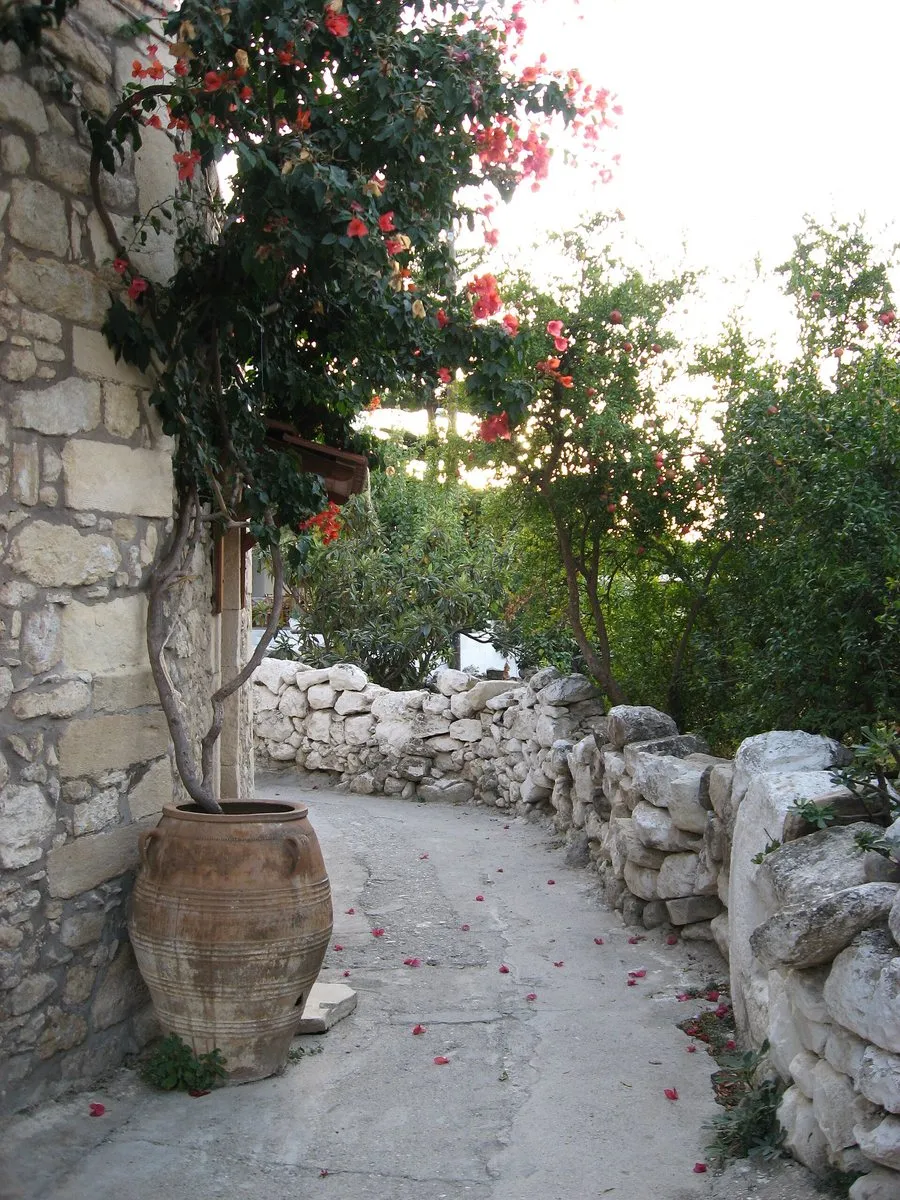
- beyond ceramics, the village itself rewards — arched doorways, bougainvillea, two churches, valley-balcony kafeneia for the pause.
- Eating
- a taverna and café handful with views over the olive sea; lunch for two €25–40.
The honest visit
Arrive by 10:30 before coach-hour, walk the upper lane down watching wheels, talk to two potters minimum (the education is free and warm), coffee on a balcony, buy the piece you kept returning to, and exit toward Arkadi or the Melidoni cave with the morning perfectly spent.
Getting there, and the morning it fits
About 25 minutes from Rethymno and ten from the Arkadi road, which settles the plan: Margarites first, while the wheels are turning and before the coaches, then Arkadi monastery or Ancient Eleftherna and its site museum for the second half of the same inland morning, and back to the coast for the afternoon swim. Park at the village entrance — the lanes are for feet — and if you are coming from the Heraklion side count about an hour and a quarter to Rethymno on the highway plus the half hour inland.
How to tell a real workshop from a shop
The rule is the wheel in view. Genuine studios have the wheel on the floor, the kiln out back and dust on the shelves, and the potter will usually tell you what is made here and what is not without being asked; the pithoi tradition — the giant storage jars built up in coils over days — is the local signature and several potters explain it with pride. Shelves that are all glaze and no dust, with identical pieces in three sizes, are the imported filler. Nobody pressures a purchase, which is the other tell of a working village rather than a retail one.
What to buy, and getting it home
Prices run from €10 souvenir ware to €300 collector pieces: slip-decorated and wood-fired work, small pithoi, the plates and bowls the studios eat off themselves. The serious workshops ship routinely and pack properly, which is the answer to the suitcase problem; for smaller pieces ask for double-boxing and carry them on. Then coffee on a valley-balcony kafeneio looking toward Psiloritis, and lunch — a taverna and café handful, €25–40 for two — if the morning has stretched.
The honest downside
Margarites is exactly one thing done charmingly — visitors immune to ceramics will finish in forty polite minutes; midday coaches compress the narrow lanes; and a minority of shelves stock imported filler among the genuine (the wheel-in-view rule filters).
Ancient Eleftherna and its site museum are fifteen minutes on, and make the better half of the same inland morning.
Worth your time if: craft-with-provenance is your kind of souvenir. Skip it if: shopping-adjacent stops bore you — Anogia’s heavier gravity is up the same mountain.
Photo on this page: the lane by Koralia Papadokostaki (CC BY 3.0 GR), via Wikimedia Commons, resized for the web. Everything above was checked for the date shown at the top of this guide. Nobody pays to be featured in a guide — no business, no sponsor, no paid mention, ever. Adverts, where they appear, are labelled as adverts.
Is Margarites worth visiting?
If craft with provenance appeals, yes - a couple of dozen working ceramic studios line two descending lanes, with wheels visible from the street and kilns out back. Visitors immune to ceramics will finish in forty polite minutes.
Are the Margarites potters genuine?
Mostly, and there is a simple filter: look for the wheel actually spinning. Several potters explain their techniques, including the giant pithoi tradition, with pride and no purchase pressure. A minority of shelves do stock imported filler among the genuine.
How much does pottery cost in Margarites?
Roughly EUR10 for souvenir pieces up to around EUR300 for collector work. Shipping is routinely arranged by the serious studios, which makes buying the larger pieces more practical than it looks.
How far is Margarites from Rethymno?
About 25 minutes, and ten from the Arkadi road - which is the natural pairing. Park at the village entrance and walk; the lanes are narrow and get compressed by coaches at midday.
When is the best time to visit Margarites?
By half past ten, before coach hour. Walk the upper lane downward watching the wheels, talk to two potters, take coffee on a valley balcony, and leave toward Arkadi or the Melidoni cave with the morning well spent.
One email a month — only when something on this island actually changes. No spam, no partners, one-click unsubscribe. Read past issues before you decide.