Natural History Museum of Crete: The Honest Guide to Heraklion's Best Rainy-Day Stop
The University of Crete's museum on the Heraklion seafront: an earthquake simulator, Crete's dwarf mammoth, live reptiles and a discovery centre built for children. Tickets, hours and who it suits.
The Natural History Museum of Crete is the visit most families in Heraklion do not know they need. Run by the University of Crete and housed in the city’s old power station on the seafront, it explains the island itself — how it rose from the sea, why it shakes, and what lived on it before people — with an earthquake simulator, fossil dwarf mammals, live animals and a discovery centre designed for children. Tickets, hours and exhibits below were checked against the museum’s own pages in September 2026; the rest comes from our own visits.
The honest facts
- Who runs it
- the University of Crete; founded in 1981.
- Where
- Sofokli Venizelou Avenue, Heraklion seafront — about a nine-minute walk from the centre, underground municipal car park opposite.
- Tickets
- €12, €8 reduced (ages 4–18, 65+, students); under-fours free.
- Hours
- summer (1 May–31 Oct) 09:00–17:00 weekdays, 10:00–18:00 weekends; winter weekdays close at 15:00. Closed 1 Jan, Clean Monday, Easter Sunday, 25 Dec.
- Headliners
- an earthquake simulator (up to magnitude 7.6), Crete’s fossil dwarf mammoth, a life-size cave, live reptiles and amphibians, and a 250 m² children’s discovery centre.
- Access
- lifts to every hall, accessible toilets, simulator accessible.
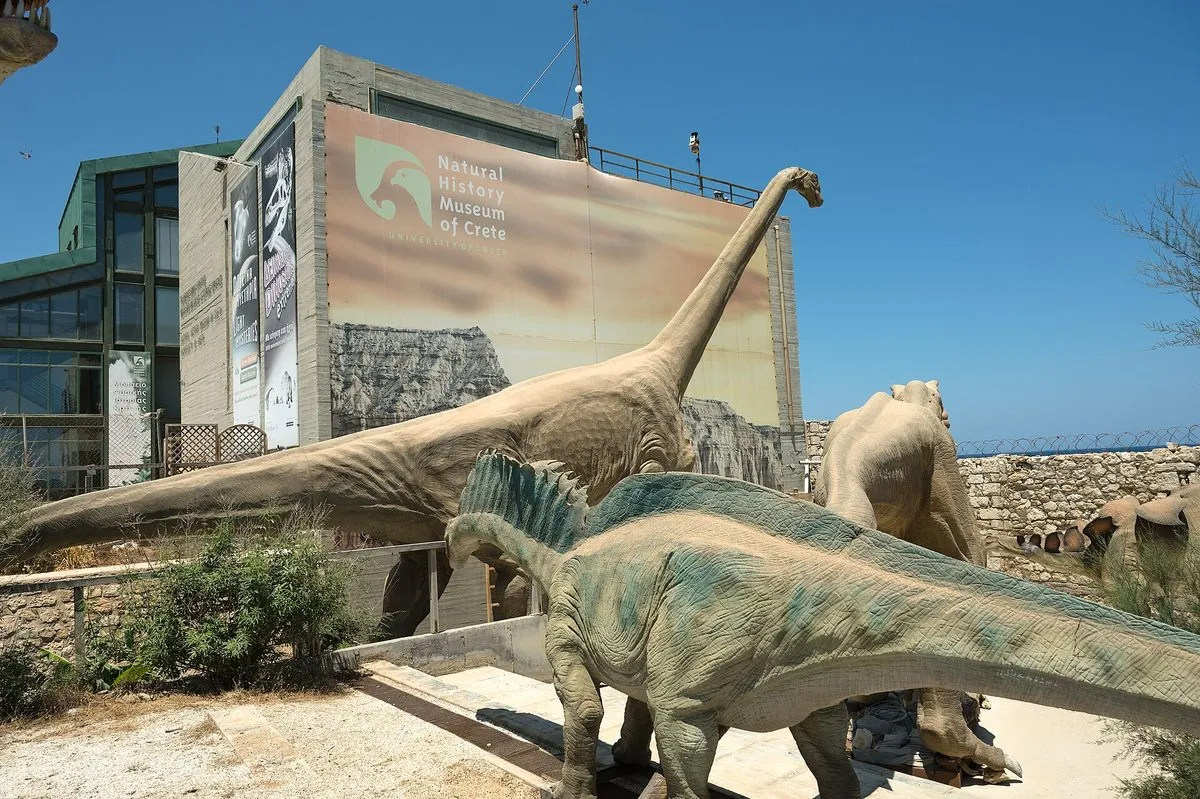
What is inside
The building was the city’s electricity station, completed in 1920 and handed to the University of Crete in 2003; the exhibition halls now cover about 6,000 square metres. The permanent exhibition moves through the Mediterranean’s ecosystems — shrubland, forests, deserts, wetlands — in large dioramas, then the mountains and a walk-through, life-size cave.
The geology section is the one to read slowly. It tells the story of the Tethys ocean and the collision of plates that pushed Crete up, and it explains why the island has so many earthquakes. Then the earthquake simulator, which the museum says recreates shaking up to magnitude 7.6, makes the lesson physical. The fossil rooms include the remains of Crete’s dwarf mammoth, a sea cow and a giant owl — creatures that evolved in isolation on the island. A reconstruction of a deinotherium, a giant elephant relative, was installed in 2009; check whether it is still on display.
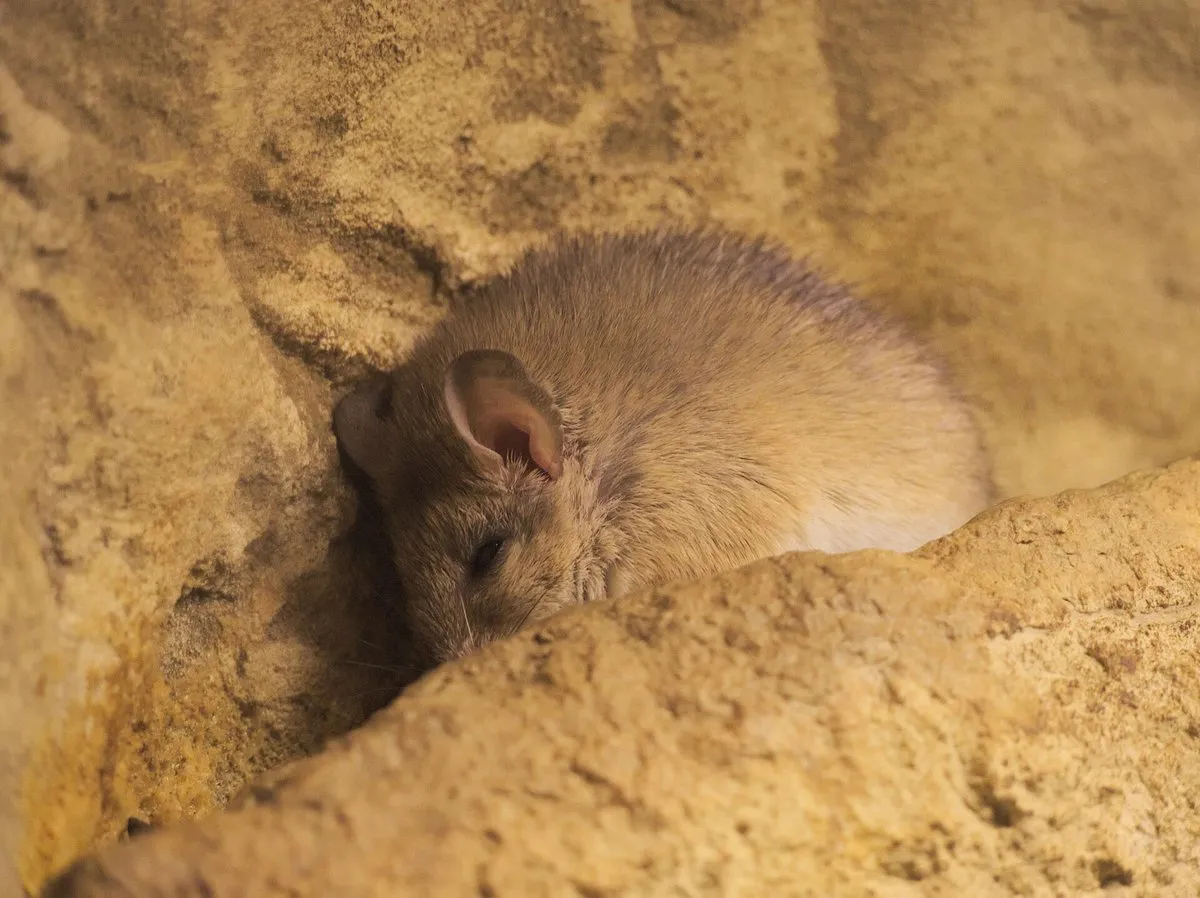
For children
The Living Museum keeps live reptiles and amphibians, and the discovery centre, 250 square metres designed for children, includes a fossil dig. With the simulator and the cave, it makes the museum the natural pairing for the Cretaquarium at Gournes on a family trip, and the one to save for a wet or scorching day. Our Crete with kids guide has more.
The reduced ticket covers ages 4 to 18, so a family of four with two teenagers pays €40. Allow two hours or so with children; there is no official figure, and the discovery centre can swallow more.
Fitting it into a day
The museum is on the seafront road west of the old harbour, so it combines easily with the old town, the Archaeological Museum and a walk along the waterfront — the ingredients of half a day in Heraklion. Visiting with both museums in one day is a lot for children; split them if you can. The weekend hours are the more generous ones in winter.
The honest downside
This is a university museum, not a big-budget science centre, and it is honest to say so. The items that carry a family visit are the simulator, the live animals and the discovery centre; the dioramas and fossil rooms reward adults who read. At €12 a head, adults without children will probably find it a good hour rather than a great morning.
Worth it if: you are in Heraklion with children, or you want to understand Crete’s earthquakes and its strange lost animals. Skip it if: you have one morning in the city and no children — the Archaeological Museum comes first.
Photos on this page: the museum forecourt by Zde (CC BY-SA 4.0) and the Cretan spiny mouse by C messier (CC BY-SA 4.0), via Wikimedia Commons, resized for the web. Tickets, hours, access and exhibits were checked against the Natural History Museum of Crete’s own pages, and the building’s history against its published history page, for the date shown at the top of this guide. The guide is written from our own visits; the figures are a check of published sources. Nobody pays to be featured in a guide — no business, no sponsor, no paid mention, ever. Adverts, where they appear, are labelled as adverts.
How much does the Natural History Museum of Crete cost?
The museum lists €12 for a standard ticket and €8 reduced for ages 4–18, over-65s and students. Children under four and visitors with a disability plus one companion go free, among other categories on the museum's page.
What are the Natural History Museum of Crete's opening hours?
From 1 May to 31 October the museum lists 09:00–17:00 on weekdays and 10:00–18:00 at weekends; from 1 November to 30 April, weekdays close earlier at 15:00 while weekends stay 10:00–18:00. It is closed on 1 January, Clean Monday, Easter Sunday and 25 December.
Is the Natural History Museum of Crete good for children?
Yes — it is one of the best children's visits in Heraklion. It has a 250 m² discovery centre designed for children with fossil digging, an earthquake simulator, live reptiles and amphibians, and a life-size cave, and the reduced ticket covers ages 4 to 18.
What is the earthquake simulator at the Natural History Museum of Crete?
A platform that recreates the shaking of real earthquakes, up to magnitude 7.6 according to the museum. It explains why Crete, sitting where the African and Eurasian plates meet, has so many earthquakes, and it is accessible to visitors with reduced mobility.
Where is the Natural History Museum of Crete?
On Sofokli Venizelou Avenue on the Heraklion seafront, in the renovated former power station of the city's electricity company. The museum puts it about a nine-minute walk from the centre, with a municipal underground car park across the street.
One email a month — only when something on this island actually changes. No spam, no partners, one-click unsubscribe. Read past issues before you decide.