Thrapsano: The Honest Guide to the Village of Giant Jars
Where the pithos never died — working workshops throwing man-high storage jars the Minoan way, kiln yards you can visit.
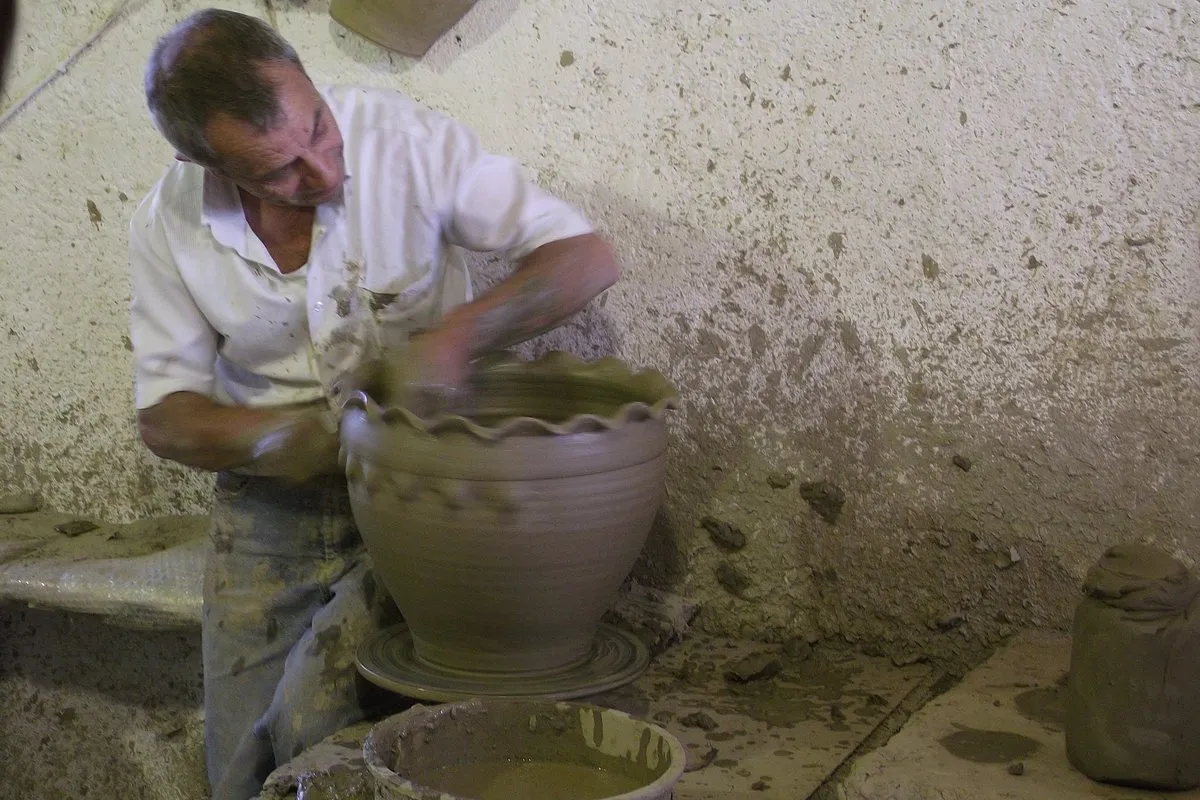
Thrapsano does not decorate itself for visitors, which is precisely its credential: this working village east of Heraklion has thrown the pithos — the man-high storage jar you met at Knossos — in unbroken tradition since the Bronze Age’s business model still made sense. Workshop yards on the village edges fire garden-scale jars in wood kilns; watching one thrown in sections, coil on turning coil, is the island’s best living-archaeology show.
The honest facts
- Getting there
- ~35 minutes from Heraklion or the Hersonissos coast via Kastelli Pediados country — flat farm roads, zero drama.
- The workshops
- several family operations ring the village, gates typically open working hours — enter greeting first; demonstrations happen when work allows rather than on schedule, and generosity with explanation is the norm.
- What you see
- the sectional wheel-throwing of giant forms, drying yards ranked with jars, wood-fired kilns the size of rooms; smaller ware (pots, planters) fills the buyable end from €10 up, with pithoi shipped internationally by arrangement.
- The village itself
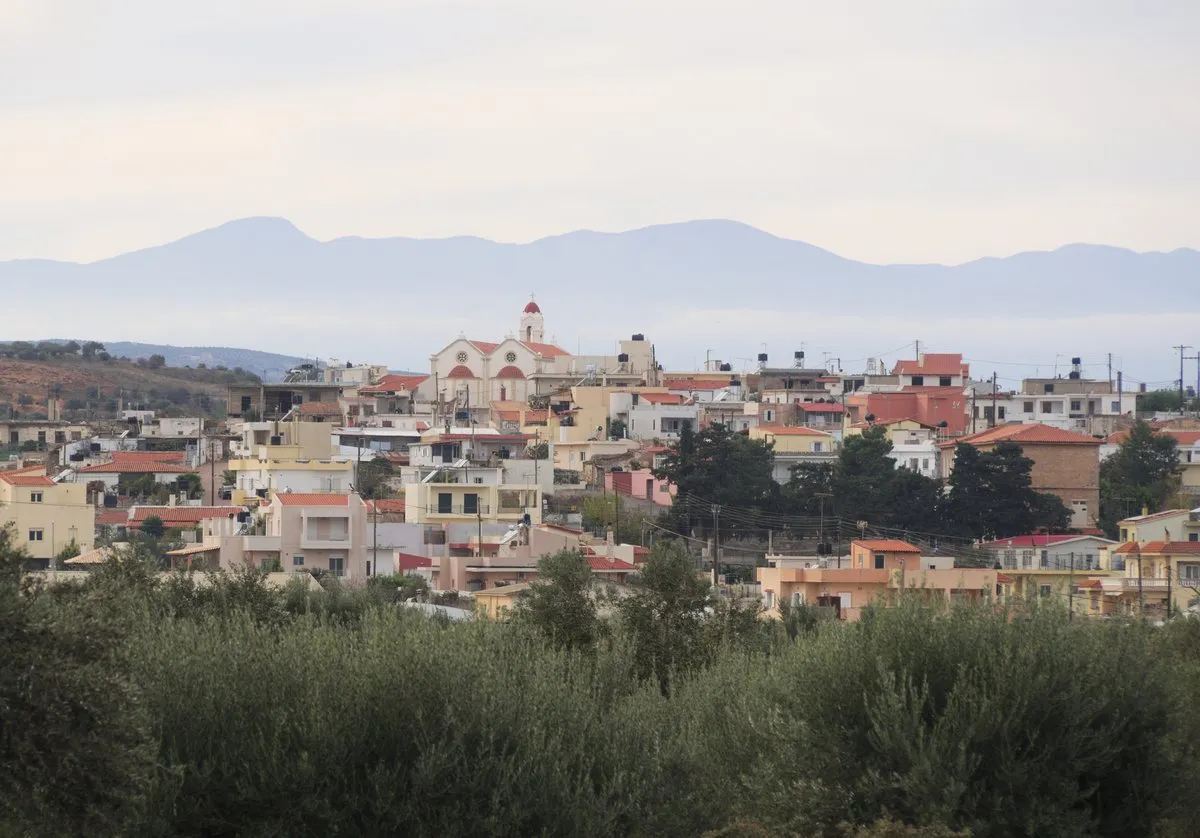
- functional Cretan agricultural — kafeneia on the square, a taverna or two, no dressing-up; the aesthetic is production, not presentation.
- Pairing
- the Kastelli area adds Byzantine churches for the keen; Archanes’ polish or the Lasithi ascent continue the day naturally.
The honest visit
An hour done right: one workshop given real attention (questions welcome, purchases optional), the drying yard walked slowly, the square coffee among farmers — and you leave understanding Knossos’ storerooms better than any placard managed.
The honest downside
Thrapsano offers craft without wrapping — no pretty lanes, no curated shop street; visitors expecting Margarites’ flowers will find work-yards and dust. Timing is luck-dependent: kiln days and big throws follow orders, not opening hours.
Worth your time if: you want the genuine article, still in production. Skip it if: presentation matters as much as provenance — Margarites serves that plate.
Photos on this page: the potter by maximpian (CC BY 3.0) and the village by C messier (CC BY-SA 4.0), via Wikimedia Commons, resized for the web. Everything above was checked for the date shown at the top of this guide. Nobody pays to be featured in a guide — no business, no sponsor, no paid mention, ever. Adverts, where they appear, are labelled as adverts.
What is a pithos?
The man-high storage jar you met at Knossos. Thrapsano has thrown them in unbroken tradition ever since, using sectional wheel-throwing for the giant forms and wood-fired kilns the size of rooms.
Can you watch potters work in Thrapsano?
Several family workshops ring the village with gates typically open during working hours. Enter greeting first. Demonstrations happen when work allows rather than on a schedule, and generosity with explanation is the norm.
How much does pottery cost in Thrapsano?
Smaller ware such as pots and planters starts from around EUR10, and full pithoi are shipped internationally by arrangement.
How far is Thrapsano from Heraklion?
About 35 minutes from Heraklion or the Hersonissos coast via the Kastelli Pediados country - flat farm roads with zero drama.
Is Thrapsano touristy?
Not remotely, and that is the credential. The village is functional Cretan agricultural - kafeneia on the square, a taverna or two, no dressing up. The aesthetic is production rather than presentation.
One email a month — only when something on this island actually changes. No spam, no partners, one-click unsubscribe. Read past issues before you decide.